The evident craze of Smartphones is now visible with Google Play and Apple Store housing half a million apps and even more to entice and pause their audience at their own platform. Across the verticals, organizations are trying the best mobile applications to increase revenue and improve user experience.
To get the deal done they associate with service providers who deal in Mobile Apps Development and help them to compete the mobility curve. But things are not as colorful as you think of.
Major Mobile App Development Challenges
The initial phase of mobile app development faces a number of development challenges to be sorted out in adherence to your IT investments as a priority. Every individual mobile user has his own list of expectations with a particular application.
The assertion goes same with the business apps as well. Business owners think of a mobile app in different dimensions. They need to sort out below listed primary challenges using proven Development Methodology during mobile application development.
- Operational Efficiency and Cost Reduction
- Increased Productivity and Sales
- Security and Compliance
- Business Strategy Flexibility
Being an emerging platform, the nature of mobile app development is quite different from the apps meant for the tablets. There are a number of questions that reflect in the developer’s mind while developing the apps. These include concerns on the device, screen, user experience and data synchronization. Until you have a solid plan to uncover these concerns, you can’t end up with an application as per expectations.
1. Offering Convincing User Experience :
Let’s start with the primary challenge to develop an application suitable for every device irrespective of the screen size and resolution. This is quite important for user experience the top most priority when development is done in a cross-platform scenario.
Better user experience can only be ensured if applications are designed accurately for all device resolutions and orientation. When I am talking about the real time user experience, it is important to add that an application should contain simplicity and clarity above all the attributes in order to ensure maximum user experience.
2. Choosing The Right Mobile Apps Development Tools:
Choosing right design methodologyand development technology is another important concern for the developers who work in this spectrum. When a development methodology undergoes through cross-platform environment, there is always a need of standard tools and technologies to handle project management, project testing and reporting.
Before starting the app development whether iPhone app development or Blackberry apps, make sure that the tools have provision for designing, testing and reporting. In the same manner the mobile development team should include the experts with massive knowledge of the technologies.
3. Handling Key Security Issues:
Addressing security concerns are another challenge, mobile website designing experts need to be taken care of. If experts are to be believed, mobile devices are quite vulnerable in nature. During the Windows mobile phone app development, developers must inherent various security capabilities to the mobile apps. There should be certain tools that ensure complete encryption for sensitive data and backup mechanism for data restore.
4. Other Challenges In The Spectrum
The above listed are a few factors that need to be fixed during the development but there exist other challenges as well that a mobile developer undertakes to resolve. These challenges include:
- API Management
- Application Analytics
- Data Access
- Feedback Mechanism
- Testing And User Experience
How to Overcome the Challenges?
You have too many mobile apps in your smartphone that serve several of your purposes like chatting, shopping and collaboration. This is the same story with millions of people having smartphones. The craze for mobile apps among the smartphone users has made this a million dollar industry.
Every hour a new mobile app is being added to your favorite app store. So, if you too struck with an idea of having your own mobile app, you can do it right now. Just a few simple guidelines and you will be up with your brand new mobile app.
1. Define Your App Objective
Before going into it, define your mission behind the app. Do you want to earn money from your app or you just encountered a problem, which this app will solve? Will you dedicate this app to the end users to make their life slightly better? Your purpose behind the app might be anything but the best part is that ‘you have a purpose’.
2. Do Your Research
Once you are up with your goal, start doing research. The research will give you a better insight about the mobile app you have planned. An exhaustive research will clear the basic flow of your proposed app. It will answer the following:
- Apps, similar to yours
- App design that you can adopt
- Technical requirements for your mobile app
- Ways to market and monetize the app
It’s almost impossible to come up with a unique app idea, as there are millions of apps already running around your concept. Don’t get discouraged. You just need to focus on your thought and explore ways to make your app more user-centric.
3. Design the Lay Out and Set the Features
So far, you are quite clear about a mobile app you need. Now, get your ideas documented. Put your thought on pen and paper and draw a precise story board / wire frame of your mobile app. It’s better to use automated wireframing tools to accomplish the purpose. There are several prototyping tools available such as Balsamiq, Moqups, and HotGloo that can be used to create a mock-up. These tools enable you to drag and drop all the placeholders with graphics into the place and see how the app will function.
4. Test Your Prototype
Once you’re done with the prototype, give it a test run. Invite your colleagues, friends and relatives to review the prototype. Ask them for their honest feedback. Watch them carefully how they are using the app. Note down the flaws and errors in the prototype that might hamper user experience later. The prototype testing will help you in two ways. First, it will help you to rectify the design errors in the initial stages and second it’ll help you to escape the annoyance of being stuck, once app goes live.
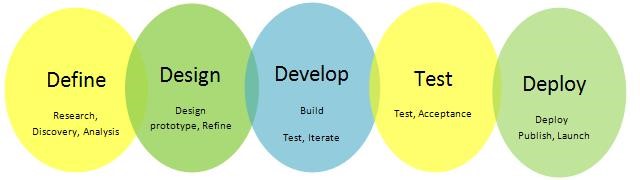
5. Play with the core Features
Your proposed mobile app may have numerous features to support its functionality, but when you begin, put the core features only. There are many features that you can add up in your app later. Include only those features that deliver the core idea of the app. To do so, watch your prototype closely to decide which features can be removed. This will help you to cut down the initial cost of development and make your app quick to the market.
6. Hire a Designer / Developer
Since you have big plans for your app, don’t leave it to mere experiments. Hire an agency or an apps development expert to make things done. Before zeroing on a web development agency check their testimonials and details about the mobile apps, which they have created so far. Explore their portfolio to find if it contains an app similar to yours.
7. Create Your Developer Account
To sell your app via premier app stores, you need to register first to get a developer account. It will enable you to sell your app using their platform. While registering, you’ll be prompted to tell whether you need to get registered as a company or an individual. It’s worth mentioning that app stores charge a few bucks for the registration on their platform.
8. Integrate Analytics to Get App Insights
Once your app is up for sale and download on app stores, use analytics to track app downloads, user engagement and retention for your mobile app. It will give you an idea how your app is performing. You may use free or paid analytics tools to get it done.
9. Ask For Feedback and Review
Once your app goes live, ask users for their reviews and feedback. It’ll help you to improve and enhance your app. Take their feedback seriously and work on the flaws of the app, if reported. Changes and improvements are not constant, so keep your eye on the feedback. It will help you to make your app more happening and popular.
A proven and well-defined mobile apps development strategy is the only way to overcome these challenges. Dedicated web developers can do this by optimizing their development and app testing efforts for the target platform. This will lead to the better deployment of the applications and the best returns on the investment.